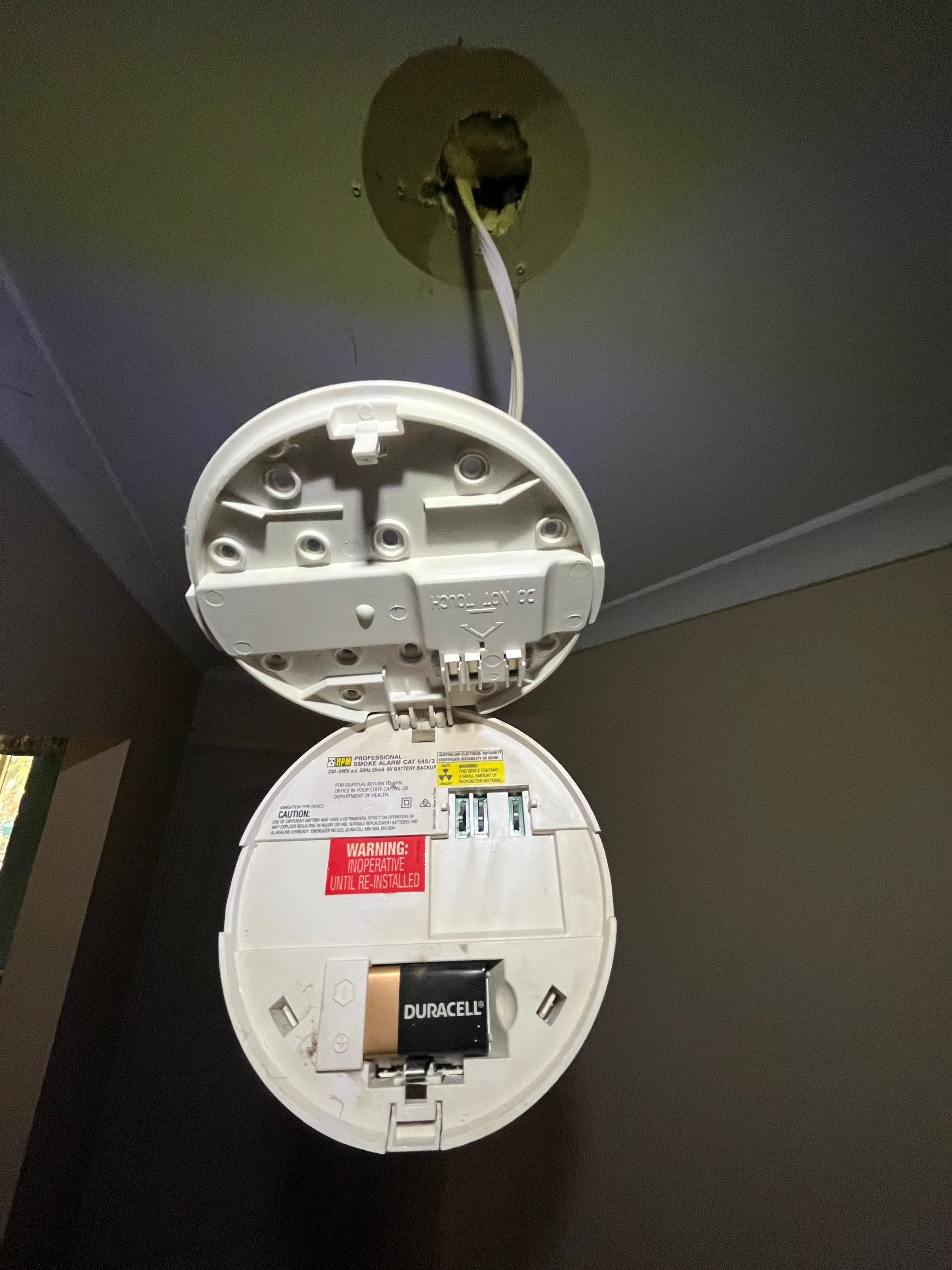
Photoelectric Smoke Alarms in Adelaide's North East

Not all smoke alarms detect fire in the same way.

That's something a lot of homeowners don't realise.

Photoelectric smoke alarms are designed to detect visible smoke, making them particularly effective at detecting slow, smouldering fires.

And that's important because a fire doesn't need to be roaring with flames to be dangerous.

The MFS recommends interconnected 240V photoelectric smoke alarms for the best protection across a range of fires.

So if you're looking at the little white disc on your ceiling and have no idea what type it is, it's worth finding out.


Get Your Online Quote

Typically responds within 4 hours.

Thank you! Your submission has been received!
Oops! Something went wrong while submitting the form.
Located in Adelaide’s North East
Electrical Licence:
PGE 357573
Fixed Upfront Pricing, No Surprises
5 Star rated on Google
GPS tracker SMS when we're on the way!

Why photoelectric alarms are recommended

Photoelectric smoke alarms use a light sensing chamber to detect smoke particles entering the alarm.

They're particularly effective at detecting slow, smouldering fires, which can start in furniture, bedding or electrical equipment and build quietly before anyone notices.

For homeowners, the benefit is simple: earlier warning gives your family more time to respond.

Trusted by homeowners across NE Adelaide

Straightforward work, straightforward results

"They came when they said they would, did the job right, and the bill matched the quote."
Jennifer Walsh
Homeowner, Portland
"I had a breaker that kept tripping. They diagnosed it in minutes and fixed it without trying to sell me a new panel. That's integrity."
Marcus Johnson
Homeowner, Seattle
"The whole rewiring project took less time than they estimated. They cleaned up after themselves and left everything working perfectly."
Elena Rodriguez
Homeowner, Vancouver
"Called on a Saturday morning with an electrical emergency. They answered, came out, and solved it before lunch. That's the kind of service you remember."
Thomas Bennett
Homeowner, Portland
"No upsell, no pressure, just solid work at a fair price."
Amanda Price
Homeowner, Eugene
"They explained what needed doing and why. Then they did it, and it stayed done."
Christopher Gray
Homeowner, Bend

It might be time to upgrade if...

  • Your smoke alarms are more than 10 years old.
  • Your home still has ionisation smoke alarms.
  • You've recently bought an established home.
  • You're renovating or extending.
  • You're upgrading to an interconnected system.
  • You want the level of protection recommended by the MFS.

It starts with identifying what you've already got.

I'll check the age, type and location of your existing smoke alarms and explain whether they're photoelectric, ionisation or a mix of both.

Where an upgrade makes sense, I can replace ageing alarms with modern photoelectric alarms and, where appropriate, interconnect them so that if one alarm detects smoke, they all sound throughout the home.

The exact setup depends on your home's age, existing wiring and the current South Australian requirements.

Older homes often still have ionisation alarms.

Ionisation alarms were commonly installed in Australian homes for many years, so they're still regularly found in established properties.

You can often identify one by looking for the small radioactive symbol on the alarm or its label.

If you're unsure what type you have, checking the label and manufacture date is a good place to start.

Understand what you're installing and why.

There are plenty of smoke alarms on the market, but the important thing is choosing the right type for the home.

I'll explain what you've currently got, what the MFS recommends and how the current South Australian requirements apply to your property.

That way the decision is based on safety and suitability, not just replacing one white disc with another.

Frequently Asked Questions

What's the difference between photoelectric and ionisation smoke alarms?

Photoelectric alarms are designed to respond particularly well to slow, smouldering fires. Ionisation alarms use a different sensing method and are commonly found in older homes.

How do I know if my smoke alarm is ionisation?

Look for a small radioactive symbol on the alarm or its label. If you see one, it's an ionisation smoke alarm.

Why does the MFS recommend photoelectric smoke alarms?

The MFS recommends interconnected 240V photoelectric smoke alarms because they provide the best protection across a range of household fires.

Do photoelectric smoke alarms still need replacing every 10 years?

Yes. Smoke alarms need to be replaced once they reach the end of their service life, even if they still appear to be working.

Can photoelectric smoke alarms be interconnected?

Absolutely. They can be interconnected by wiring or RF technology depending on the system and what's practical for your home.

Are photoelectric smoke alarms required in every South Australian home?

Not every home has the same legal requirements. It depends on when the home was built, whether ownership has changed and whether major renovations or extensions have been completed. The MFS Smoke Alarm Quick Guide is the best place to check what applies to your property.
Ready to Get Started

Get in touch to request a quote or organise electrical work in your home. I will get back to you shortly.

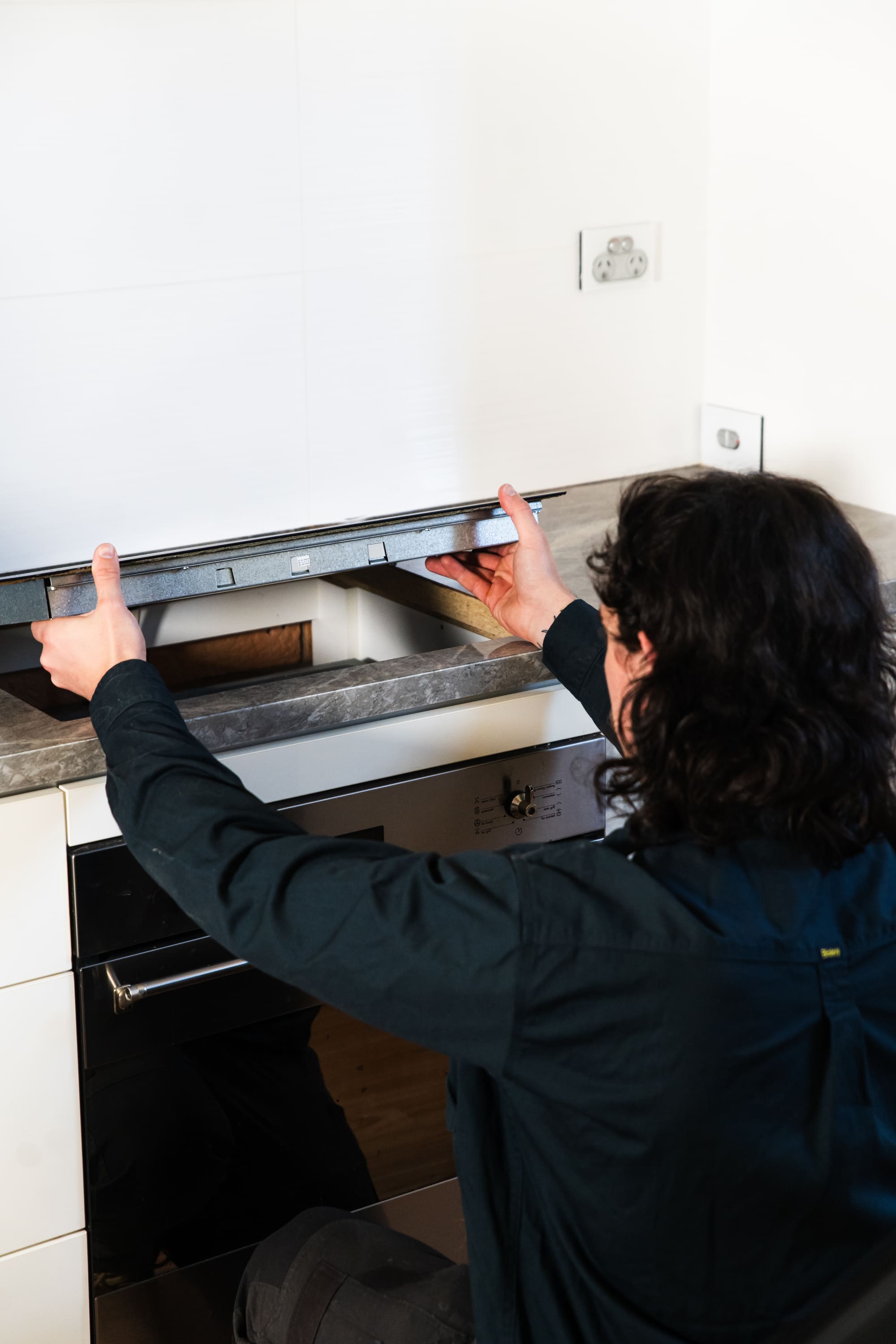
Appliance installation in established home